
This printable guide outlines the basics of monitoring: safety, making observations, reading a construction site, and identifying and reporting potential violations.
(It is essentially a printable version of the “Monitoring 101” section of the website.)
Here are a few locations that monitors may want to prioritize: The 4 waterbody crossings that have been contested in court hearings, and a table of “priority waterways,” where the reroute affects streams through Horizontal Directional Drilling (HDD), stream crossings that are supposed to be completed before the Sept 15, 2026 fish spawning time restrictions, and crossings involving bedrock blasting.
Monitoring
Monitoring a pipeline project during pre-construction, construction and regular operation can feel daunting. Each phase can be quite complex, with different kinds of machinery and processes underway, multiple kinds of contractors, and on most cases multiple layers of security. Additionally, it takes time to learn what might constitute a reportable violation. But remember, you’re doing something useful and necessary. You have the right to be on any public lands, and to observe the activities visible to you.
The basis of any grassroots monitoring project is encouraging and empowering all of us to observe, to communicate, and exchange what we are learning.
Why a people’s oversight?
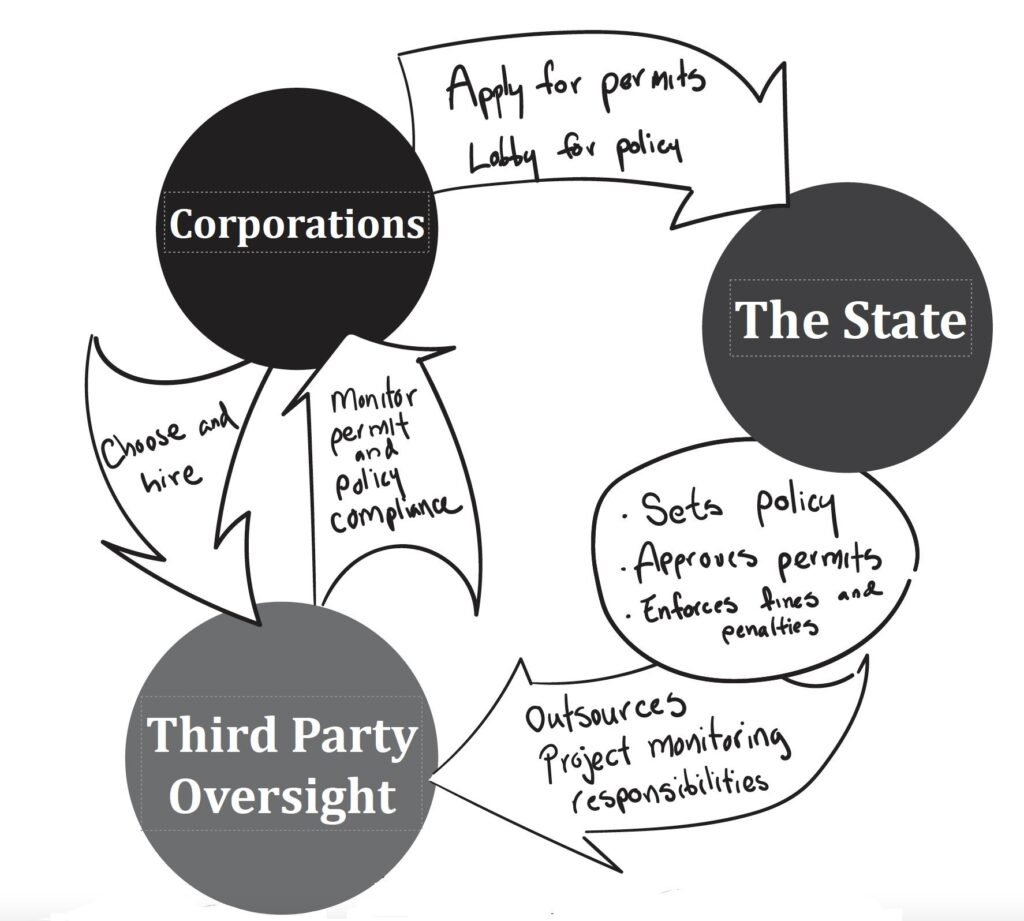
The State outsources the responsibility of ensuring corporations abide by all applicable laws and regulations to third party oversight companies. These third party oversight companies are for profit entities. Corporations choose which third party oversight companies to contract and will select third party contractors that overlook their missteps. Furthermore it would be against the third party oversight companies’ profit interest to “bite the hand that feeds” them.
The corrupt relationship between corporations and third party oversight agencies means it falls on everyday people and grassroots watchdog efforts to identify and report violations.
Reporting violations during the construction or operation of a pipeline is an effective way to build knowledge, to gather evidence and exchange information. People’s watchdogging is one of many tactics in a broader toolkit for building a world based not in extractive economies and ecological violence but in reciprocity, justice and the liberation of land and water. It can also directly support efforts of tribal communities and intertribal organizing to protect treaty lands.
Get ready, stay safe
You have the right to observe, record and report violations.
If you are in a public space, you legally have a right to be present, which includes taking photo or video documentation of anything that is visible from that public space.
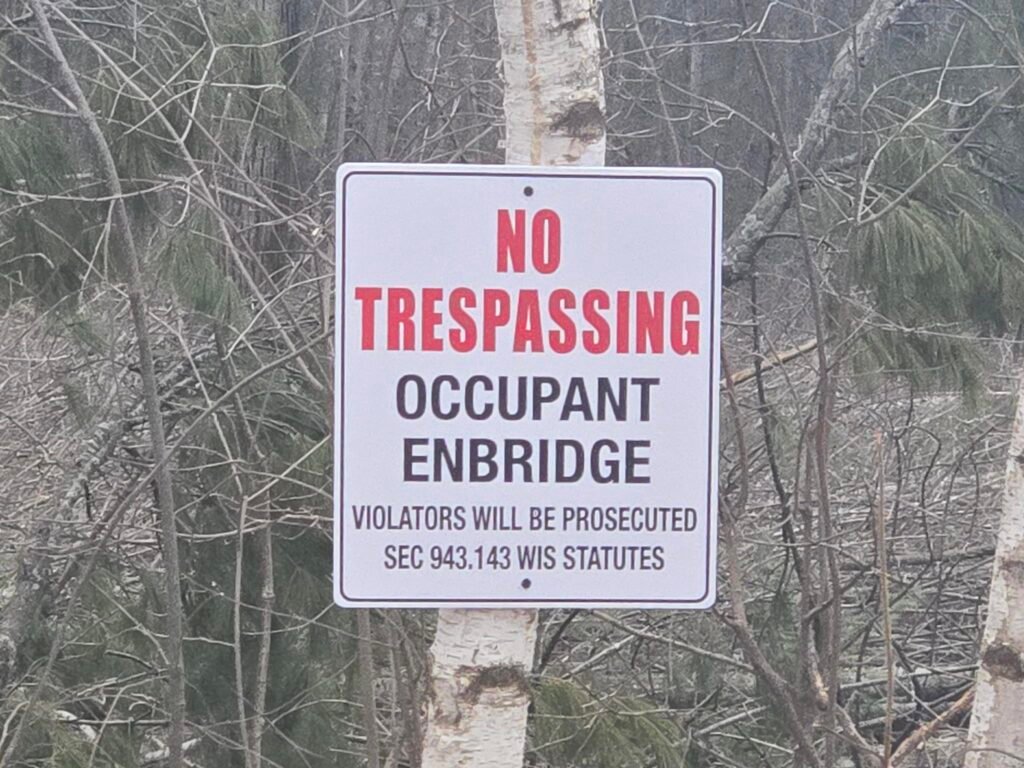
But be careful– criminal trespass to an energy provider property is a Class H Felony, according to Wisconsin Statute 943.143
Navigable waterways are public space within the “ordinary high water mark”—you can enter and exit a water-body on public land, and monitor from a canoe, boat, or tube or by wading without trespassing.
To be cautious, stay within the actual stream channel, especially near construction sites.
The Right of Way (RoW) and construction or temporary RoW are privatized land, you may be trespassing if you cross blue/white flagging boundaries or signage. (See the RoW section below).
Note: “Access Roads” are not public.
You may be approached if you are at the side of the road by security, cops, or neighbors.
Private security
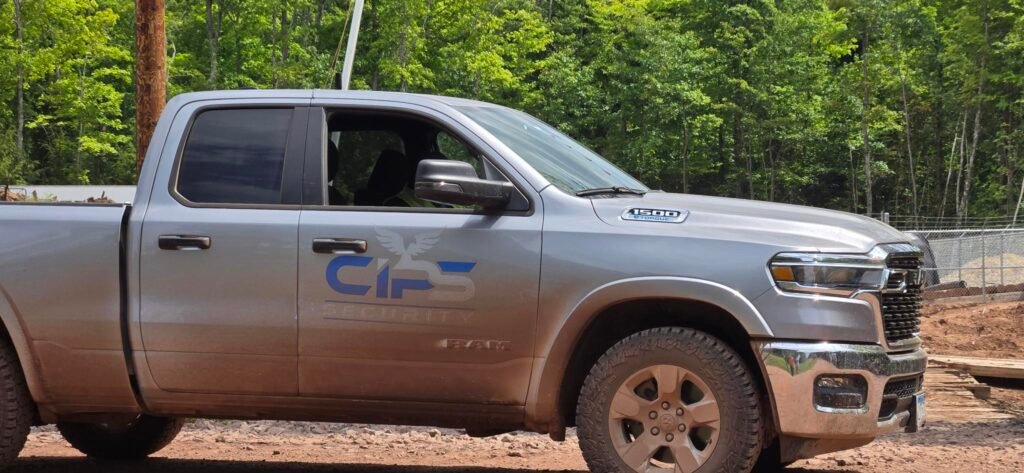
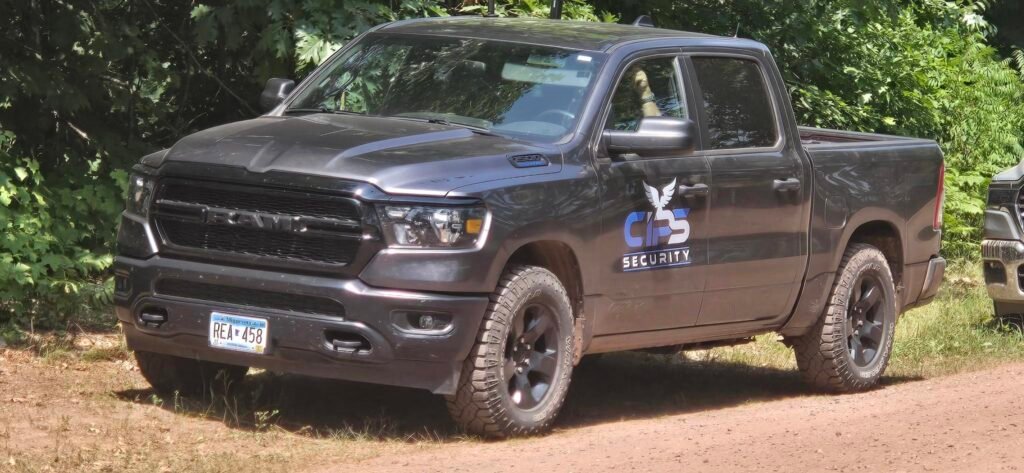
- Enbridge has hired Critical Infrastructure Protective Services Security (CIPS). CIPS vehicles are usually grey or black Ram or F-150 pickup trucks with a WeBoost cell phone signal booster attachment on the back. Many trucks have the CIPS logo painted on the side, but many are also unmarked. CIPS also has side-by-sides.
- CIPS is especially active and aggressive on the eastern part of the reroute (as of late summer 2026).
- CIPS personnel will often tail residents or people monitoring for long periods of time, follow them home, take photos of people and license plates, drive very aggressively, and has even driven close enough to a car parked on the side of the road to knock of the side mirror.
- CIPS employees have been racist and asked people directly if they are from Bad River.
- CIPS often calls the police on people monitoring– both Iron River and Ashland police have tried to cite people monitoring for “obstruction,” either for walking on public roads or parking on a shoulder. Take care not to park directly in front of an access road and be aware of police approaching while parked.
- Stay calm and assert your rights to any security personnel or police that might try to remove you. Document these tactics or tense interactions in a safe way.
- Even if you have a legal right to be somewhere cops or security may order you to move/arrest you if you fail to comply.
- Note that the police in Ashland are known to disproportionately target people of color, and that white supremacy is also enforced by private security, people, and other entities.
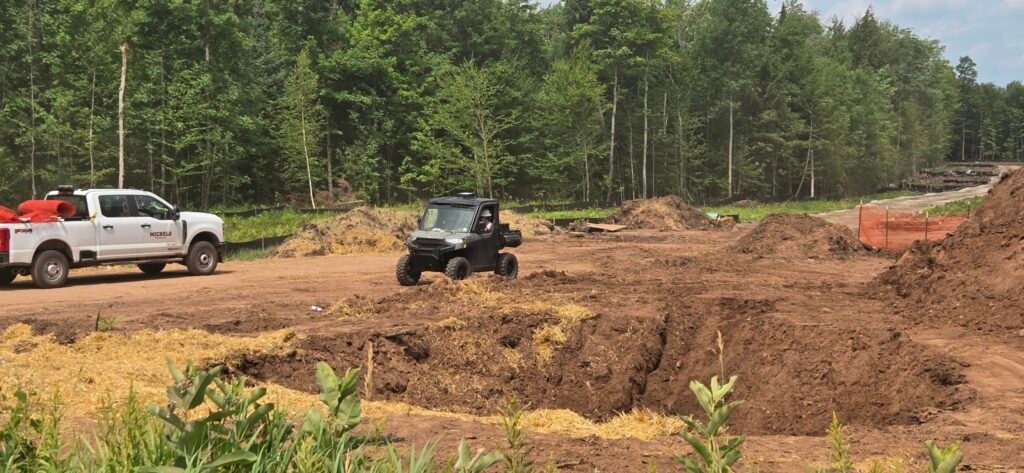
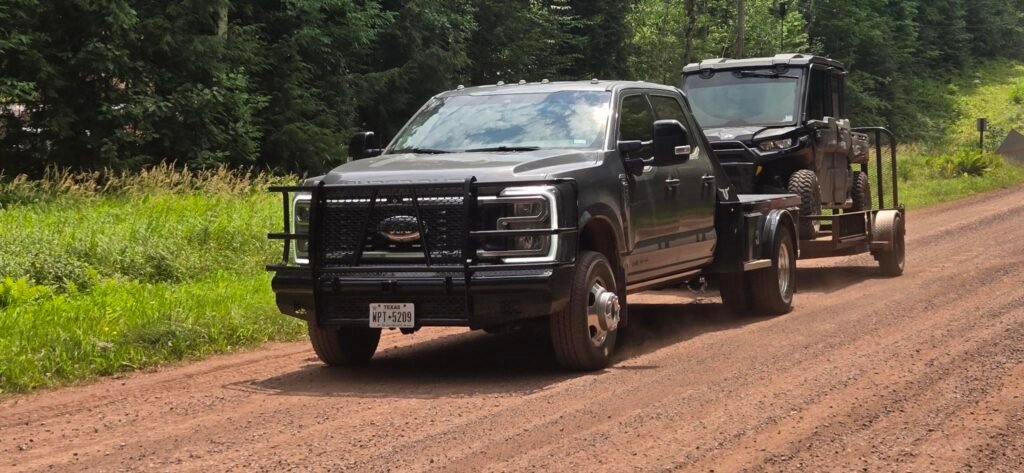
It may be beneficial to act like a tourist or birder; bring binoculars or a field guide.
The social dynamics among community members are complex; the pipeline has been quite polarizing. Many folks are fighting hard against it; keep this in mind if you are a visitor when interacting with .
Know your rights:
If you are stopped by cops, ask “Am I free to go?”
If you are detained or questioned, you can say “I will not talk without a lawyer present.” or “I invoke my 5th amendment right and will remain silent.”
Go with a buddy
Find maps that indicate observation points on public lands at: https://watchline5.com/wisconsin-reroute/
Note that there are only 2 gas stations along the reroute—in Marengo and in Mellen. The Coyote Hills man camp is right behind the Marengo gas station.
What to record:
- Use all of your senses! Feel, smell, hearing, sight, instinct, etc
- Make general observations. Take especially detailed notes and pics about strange/fishy things– you can review these later with permits in hand or consult with others to identify violations.
- Record:
- Baseline/pre-construction images at access roads, easements, HDD crossings, etc.
- GPS Coordinates (on your phone, through apps like Organic Maps or Google Maps)
- Date
- Activities observed (logging, grading, trench-digging, dewatering, laying pipe, etc.)
- Workers/equipment present (numbers and kinds)
- Permits posted, flagging, signs
- Gates on access roads
- Signs of construction (gravel work, silt fences, orange netting)
- Contracted company and the owners of the project (for submitting potential violations).
- Detailed observations (ie–“smell of gasoline,” rather than “strange smell”)
- Take both photos (better for submitting complaints) and videos (better for potential litigation) from as close as safely possible
- Collect samples (in case of suspected oil or chemical spill). Ideally, use specialized equipment, but clean plastic water bottles are better than nothing.